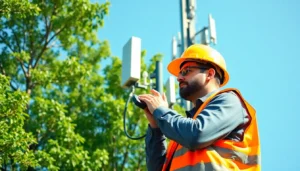







Telecommunications Networks: The Backbone of Our Connected World
Have you ever wondered how our annoying habit of living on our phones became possible? Spoiler alert: it’s all about telecommunications networks. These intricate systems keep our calls, texts, and cat videos flowing smoothly. In this discussion, we’ll unravel the intriguing realm of telecommunications networks, tackling everything from their components to the challenges they face. So buckle up, because we’re diving into the geeky, yet oh-so-crucial realm that makes modern communication happen.
Overview of Telecommunications Networks
Telecommunications networks serve as the essential infrastructure that allows us to exchange information over distances. At their core, these networks link various devices – such as our smartphones, computers, and even home appliances – enabling seamless communication. You might ask, what exactly is a telecommunications network? Well, think of it as a system made up of various components that are paired together to transmit data and voice signals effectively. Overall, every time we make a call or browse the internet, we are utilizing these networks without even thinking about it. It’s incredible how this hidden structure supports our daily lives.
Types of Telecommunications Networks
When we talk about telecommunications networks, we can’t ignore the different types that exist. Each type caters to specific needs and uses. First up is the Public Switched Telephone Network (PSTN), which is probably the most familiar to us. Then there’s the Internet Protocol (IP) Network, which forms the backbone of our internet access. Mobile Networks allow us to stay connected on the go, and Satellite Networks reach even the remote corners of the globe. Finally, we have Optical Networks, which use light to transmit data at incredibly high speeds. Understanding these different types gives us a clearer picture of how they shape our connection to the world.
Key Components of Telecommunications Networks
Every telecommunications network is a well-oiled machine, and we have key components to thank for that. These include transmission mediums, such as cables, fiber optics, and wireless signals, which play a vital role in transmitting data. Network switches and routers guide traffic efficiently, ensuring our messages aren’t stuck in limbo. Then, there’s the end devices, which are our trusty smartphones and computers that allow us to communicate. Each component has its importance, working together to deliver information with speed and reliability.
Technological Developments in Telecommunications
We live in a time where technological advancements in telecommunications are happening at lightning speed. Think about the transition from dial-up to high-speed broadband. How often do we hear about the rollout of 5G technology? This tech promises lightning-fast speeds and improved connectivity. Also, innovations like Voice over Internet Protocol (VoIP) have revolutionized how we communicate, allowing us to make calls using the internet instead of traditional phone lines. Each advancement brings new possibilities, enhancing the way we live and work.
Challenges in Telecommunications Networks
Even though the wonders of telecommunications networks, we face several challenges that need addressing. For one, network congestion can lead to frustrating slowdowns, especially during peak usage times. Also, cybersecurity threats pose significant risks, as malicious actors target networks to access sensitive information. There’s also the issue of keeping up with rapid technological changes, which often require hefty investments in infrastructure. These challenges test our resilience but drive us forward in finding innovative solutions.
Future Trends in Telecommunications Networks
Looking ahead, it’s exciting to ponder where telecommunications networks are headed. The rise of Internet of Things (IoT) devices means our homes will become even smarter, creating a demand for networks to support countless connected devices. Artificial Intelligence (AI) will likely play a significant role in optimizing network performance and enhancing user experiences. Besides, we could see a greater push for sustainability, with greener technologies being incorporated into network infrastructure. These trends not only shape our future communication landscape but also impact how we interact with technology.